


Have you ever considered building a successful, sound, competitive brand in Nigeria? I know being an entrepreneur or freelancer we all have had these dreams for a long time. Let me tell you that yes you can build a successful brand for your business from scratch, although building is quite a challenging and rewarding endeavor. With a population of over 200 million people, in Nigeria, I know there is room open for the market with immense growth potential.
However, to stand out in this competitive zone, it is essential to create a strong and unique brand identity that resonates with your target audience.
This article will completely guide you on how to build a successful brand for your business from scratch in Nigeria. Without further I do, let begin!
What Is Branding?
Branding is the process of creating a unique identity for a product or service in the minds of consumers. It involves using names, logos, colors, and messages to create a distinctive image that sets a product or service apart from its competitors.
What are the Elements of a Successful Brand?
The key elements of a brand include the brand name, logo, colors, tagline, and overall design. These elements work together to create a cohesive and recognizable brand identity.
Why You Should Have a Strong Brand Identity
A strong brand identity helps build trust and loyalty among consumers. It makes your brand easily recognizable and memorable, which can lead to increased customer retention and sales.
Research and Planning
Conducting Market Research
Conducting thorough market research plays a very important role in understanding the needs and preferences of your target audience. Which involves gathering data on market trends, consumer behavior, and competitor strategies.
Identifying Target Audience
Identifying your target audience involves determining the demographics, psychographics, and purchasing behavior of your ideal customers. This information helps tailor your branding efforts to appeal to the right audience.
Competitive Analysis
Analyzing your competitors allows you to identify their strengths and weaknesses. This information can help you develop strategies to differentiate your brand and gain a competitive edge in the market.
Setting Clear Objectives
Setting clear and measurable objectives is essential for guiding your branding efforts. These objectives should align with your overall business goals and provide a roadmap for achieving brand success.
How to Develop Brand Identity
To develop a strong identity here are the steps to do:
Creating a Unique Brand Name
A unique and memorable brand name is the foundation of your brand identity. It should be easy to pronounce, spell, and remember, and it should reflect the essence of your brand.
Tips on creating a unique brand name
Keep it short, sweet, and easy to say
Some of the most memorable brand names are just a single word: Facebook, Dangote, Nike, Google, and Apple. Other great examples include Twitter, Uber, and Tesla. using only one or two words makes it easy for your target market to remember and say your brand name.
Designing a Logo
Your logo is the visual representation of your brand. It should be simple, catchy, and relevant to your brand. Investing in professional logo design can help ensure that your logo effectively communicates your brand message. You can hire someone on Fiverr to have a professional logo design for your brand.
Choosing Brand Colors
Choosing Colors for your brand plays a significant role in brand perception. Choose colors that evoke the desired emotions and associations for your brand. Consistency in color usage across all brand materials helps reinforce brand identity.
Crafting a Tagline
A catchy and meaningful tagline can enhance your brand message. It should be concise, memorable, and reflective of your brand values and promise. I advise you to have a catchy tagline for your brand.
How to Build a Brand Story
Why Building a Brand Story
A compelling brand story can create an emotional connection with your audience. It helps humanize your brand and makes it more relatable.
Elements of a Compelling Brand Story
A compelling brand story includes the brand’s origin, mission, values, and vision. It should be authentic, engaging, and aligned with the brand’s overall identity.
How to Communicate Your Brand Story
Communicate your brand story through various channels, including your website, social media, and marketing materials. Consistency in messaging helps reinforce your brand story. You can also build a social media presence for your brand for it to resonate around the world.
You May Like to Read How to Improve Your Credit Score So Fast in 6 Months (step by step)
Establishing Brand Values and Mission
Defining Core Values
Core values are the fundamental beliefs that guide your brand’s actions and decisions. They should reflect what your brand stands for and what it aims to achieve. Always have a well-defined value for your brand. It creates a bond between your brand and your customers.
Crafting a Brand Mission Statement
A brand mission statement clearly articulates the purpose and goals of your brand. It should be inspiring, concise, and aligned with your core values. Always have a well-defined mission statement for your brand. It creates a bond between your brand and your customers.
Aligning Business Practices with Brand Values
Ensure that your business practices and policies reflect your brand values. Consistency in actions and messaging helps build trust and credibility with your audience.
Read more on All What You Need To Know About Crypto Airdrops
How to Create a Marketing Strategy
Traditional Marketing vs. Digital Marketing
Traditional marketing includes methods like print advertising, radio, and TV commercials. Digital marketing involves online channels such as social media, email marketing, and search engine optimization (SEO). Both approaches have their benefits and should be integrated for maximum reach.
Social Media Marketing
Social media platforms like Facebook, Twitter, Instagram, and LinkedIn offer powerful tools for engaging with your audience. Regularly posting relevant content, responding to comments, and running targeted ads can help build your brand presence.
Content Marketing
Content marketing involves creating and sharing valuable content to attract and retain customers. This can include blog posts, videos, infographics, and ebooks that provide useful information and insights. I advise you have a blog or website for your brand.
Influencer Marketing
Collaborating with influencers who have a large following can help promote your brand to a wider audience. Choose influencers who align with your brand values and have a genuine connection with their followers.
Public Relations
Public relations efforts, such as press releases and media coverage, can help increase your brand’s visibility and credibility. Building relationships with journalists and media outlets can lead to positive publicity for your brand.
How to Build an Online Presence for Your Brand
Why You Should Have a Website for Your Brand
A professional website is essential for establishing your online presence. It serves as the hub of your digital marketing efforts and provides a platform for showcasing your products or services.
SEO Best Practices
Implementing SEO best practices helps improve your website’s visibility on search engines. This includes optimizing your website’s content, structure, and performance to rank higher in search results.
Managing Social Media Platforms
Social media platforms offer opportunities for engaging with your audience and building brand awareness. Regularly posting relevant content and interacting with your followers can help strengthen your online presence.
Engaging with Online Communities
Participating in online communities related to your industry can help build your brand’s reputation and authority. Join forums, groups, and discussions to share insights and connect with potential customers.
Why You Should Build Offline Branding Strategies for Your Brand

Significance of Building Offline Presence
While digital marketing is crucial, maintaining an offline presence is also important for brand success. This includes participating in events, sponsorships, and community involvement.
Event Sponsorships
Sponsoring events related to your industry can increase your brand’s visibility and credibility. Choose events that align with your brand values and target audience.
Community Involvement
Engaging with your local community helps build positive relationships and enhances your brand’s reputation. Participate in community events, support local causes, and collaborate with other businesses.
Print Advertising
Print advertising in newspapers, magazines, and other publications can reach a broader audience. Ensure that your print materials are professionally designed and aligned with your brand identity.
Customer Experience and Engagement
Providing Excellent Customer Service
Excellent customer service is essential for building a loyal customer base. Train your staff to be responsive, helpful, and professional in all customer interactions.
Building a Loyal Customer Base
Rewarding loyal customers with special offers, discounts, and exclusive content can help retain them and encourage repeat business. Implementing a customer loyalty program can also boost customer retention.
Creating Customer Loyalty Programs
Customer loyalty programs reward repeat customers with points, discounts, or other incentives. These programs can increase customer satisfaction and encourage repeat business.
How to Measure Your Brand Success
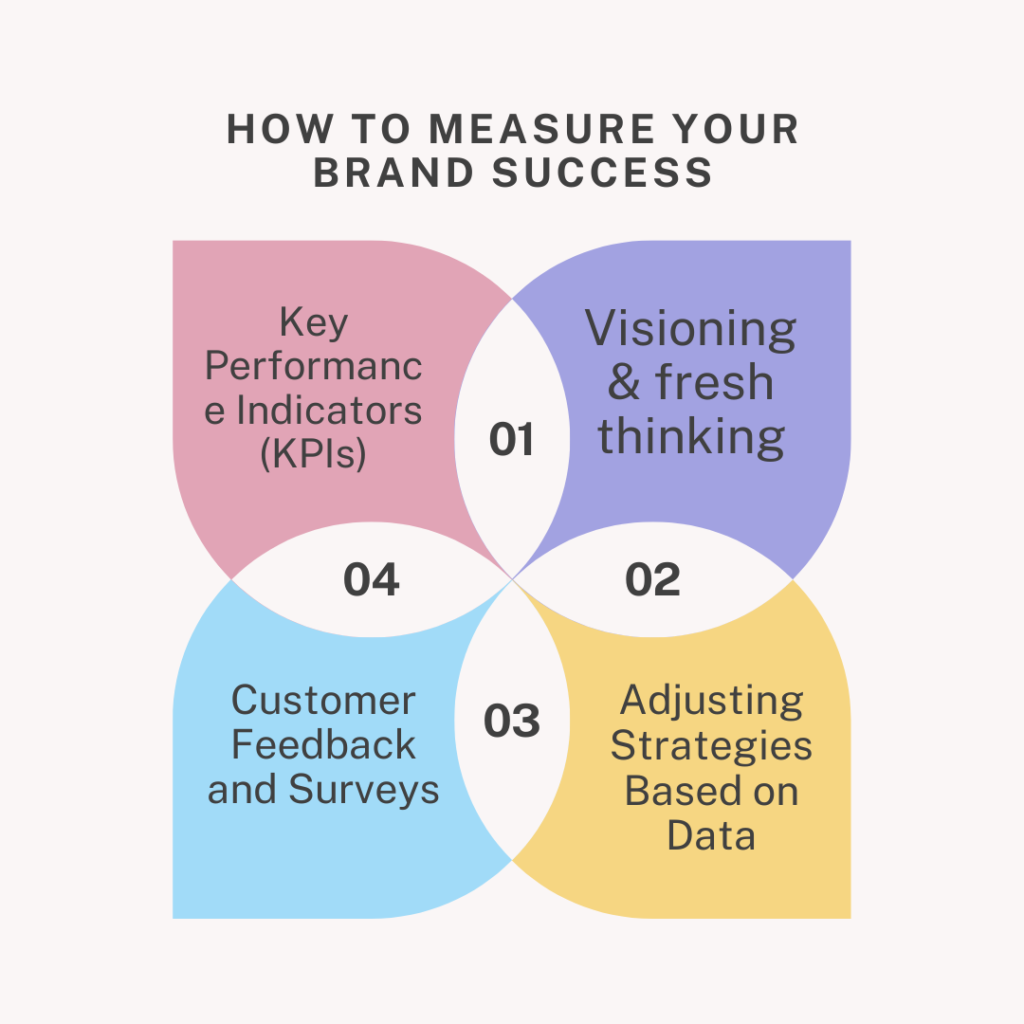
Key Performance Indicators (KPIs)
KPIs are metrics that help measure the success of your branding efforts. These can include brand awareness, customer satisfaction, and sales growth.
Using Analytics Tools
Analytics tools, such as Google Analytics, provide insights into your website’s performance and user behavior. Use this data to identify areas for improvement and measure the impact of your branding efforts.
Customer Feedback and Surveys
Collecting feedback from customers helps identify strengths and areas for improvement. Use surveys, reviews, and direct feedback to understand customer perceptions and make necessary adjustments.
Adjusting Strategies Based on Data
Regularly review your branding strategies and make adjustments based on data and feedback. Continuous improvement helps ensure long-term brand success.
Challenges Facing Building a Brand in Nigeria
Understanding Cultural Nuances
Nigeria’s diverse cultural landscape requires brands to be sensitive to cultural differences. Understanding and respecting these nuances can help build stronger connections with your audience.
Economic Factors
Economic fluctuations and challenges can impact brand success. Developing flexible and adaptive strategies can help navigate economic uncertainties.
Navigating the Legal and Regulatory Environment
Compliance with local laws and regulations is crucial for brand success. Stay informed about legal requirements and ensure that your business practices adhere to them.
Also Read How to Become a Freelancer in Nigeria (A Ultimate Guide)
Success Stories Of Nigerian Entrepreneurs
Case Studies of Successful Nigerian Brands
Studying successful Nigerian brands can provide valuable insights and inspiration. Analyze their strategies, challenges, and achievements to learn from their experiences.
Lessons Learned from Successful Brands
Identify key takeaways and lessons from successful brands that can be applied to your branding efforts. Continuous learning and adaptation are essential for long-term success.
Learn From Expert Insights
Quotes from Branding Experts
Incorporate quotes and insights from branding experts to add credibility to your content. Expert opinions can provide valuable perspectives and guidance.
Advice for Aspiring Nigerian Entrepreneurs
Provide practical advice and tips for aspiring entrepreneurs looking to build successful brands. Share actionable strategies and best practices to help them achieve their goals.
Common Questions about Building a Brand in Nigeria
below are some questions and answers about how to build a successful brand in Nigeria
1. What are the key steps to building a brand in Nigeria?
Conduct market research, develop a unique brand identity, create a marketing strategy, build an online presence, and continuously monitor performance using analytics.
2. How important is market research in branding?
Market research is crucial as it provides insights into consumer behavior and market trends, guiding informed decision-making and strategy development.
3. What are the best marketing strategies for Nigerian brands?
Effective strategies include using social media, content marketing, influencer collaborations, email marketing, public relations, event participation, and SEO.
4. How can I measure the success of my brand?
Measure success by tracking KPIs, gathering customer feedback, using analytics tools, and analyzing sales data.
5. What challenges should I expect when building a brand in Nigeria?
Expect to navigate cultural diversity, economic instability, regulatory complexities, competition, and infrastructure limitations while building consumer trust.
Wrap Up
Building a successful brand in Nigeria requires careful planning, strategic execution, and continuous improvement. By understanding the market, creating a strong brand identity, and engaging with your audience, you can establish a brand that stands out and thrives in the competitive Nigerian market.
Remember to stay adaptable, learn from successful brands, and improve from expert insights to guide your branding journey.
If you found this guide useful and informative, don’t forget to drop a comment in the comment section.